There’s a particular kind of danger in a crisis where both sides claim they’ve already shown enough restraint. That’s precisely where Washington and Tehran find themselves right now, and it’s worth paying close attention because the next move could come from either capital, and neither seems inclined to blink first.
According to reporting on the incident, US forces struck Iranian tankers operating inside what Washington describes as a blockade line, and Tehran’s response has been unusually blunt. Iranian officials are now saying the era of “proportionate retaliation” is over, language that suggests they’re preparing the ground domestically for something harsher than the calibrated tit-for-tat exchanges we’ve grown used to since 2019. That framing matters. When a government tells its own public that measured responses are finished, it’s setting expectations it will eventually have to meet, or lose credibility at home.
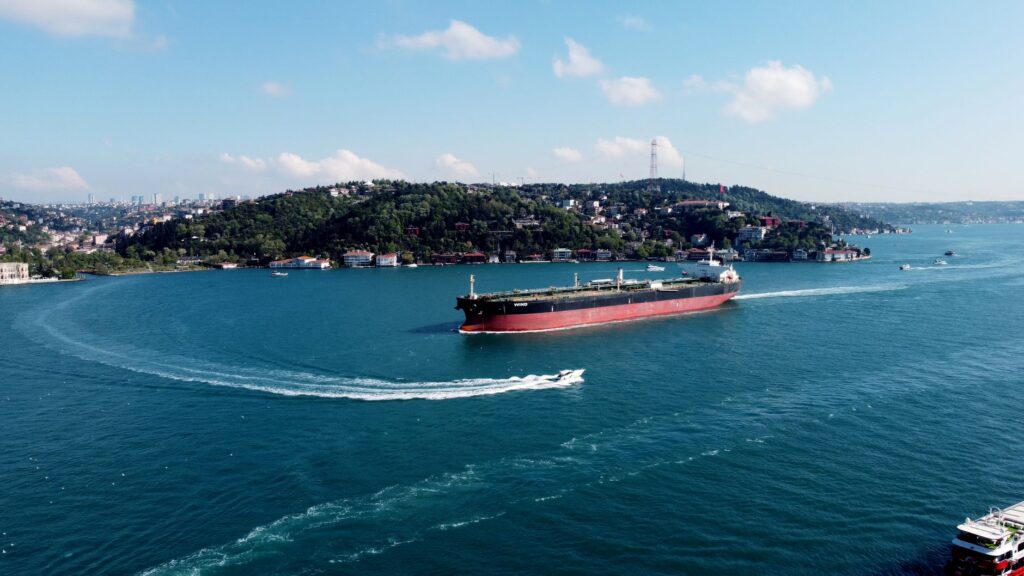
Why should anyone outside the Gulf care? Because roughly a fifth of global oil transits through waters that Iran can make extremely difficult to navigate if it chooses. Every time Tehran and Washington trade blows near tanker routes, insurance premiums spike, shipping companies reroute or pause operations, and energy markets get jittery in ways that ripple far beyond the Middle East. This isn’t an abstract regional spat — it’s a pressure point sitting directly on the world’s energy supply chain. And it’s happening at a moment when global oil markets are already unsettled by sanctions regimes, OPEC+ maneuvering, and lingering uncertainty from other conflicts. Add a shooting incident involving actual tankers, and you have the ingredients for a genuine supply shock, not just a headline.
For India, this is not someone else’s problem. New Delhi imports the vast majority of its crude, a significant chunk of it moving through or near these very waters, and Indian refiners have spent years building relationships with Gulf suppliers precisely to insulate the economy from this kind of volatility. A prolonged escalation would hit fuel prices, complicate shipping insurance for Indian-flagged vessels, and force New Delhi into the familiar diplomatic tightrope of maintaining ties with both Washington and Tehran without antagonizing either. India has managed this balancing act reasonably well before, but each escalation raises the cost of neutrality. There’s also the human dimension — thousands of Indian sailors crew tankers globally, and any strait becoming a flashpoint puts them in the crossfire quite literally.
What’s striking here is how both Washington and Tehran seem to believe restraint has already been exhausted, which is exactly the mindset that produces miscalculation. Blockades invite testing. Strikes invite retaliation framed as inevitable rather than chosen. Neither side is issuing an off-ramp.
My take: this is less about Iran’s naval capability or America’s blockade logic, and more about credibility signaling that’s spiraling faster than either government can control. India should be quietly reinforcing alternate supply arrangements and insurance backstops now, not after the first tanker gets seized. Hope is not a strategy when a fifth of the world’s oil sits hostage to two governments each convinced the other started it.
Analysis by Rajesh Pillai · RP Speaks · Based on reporting: Iran touts military response as US maintains blockade, hits tankers