
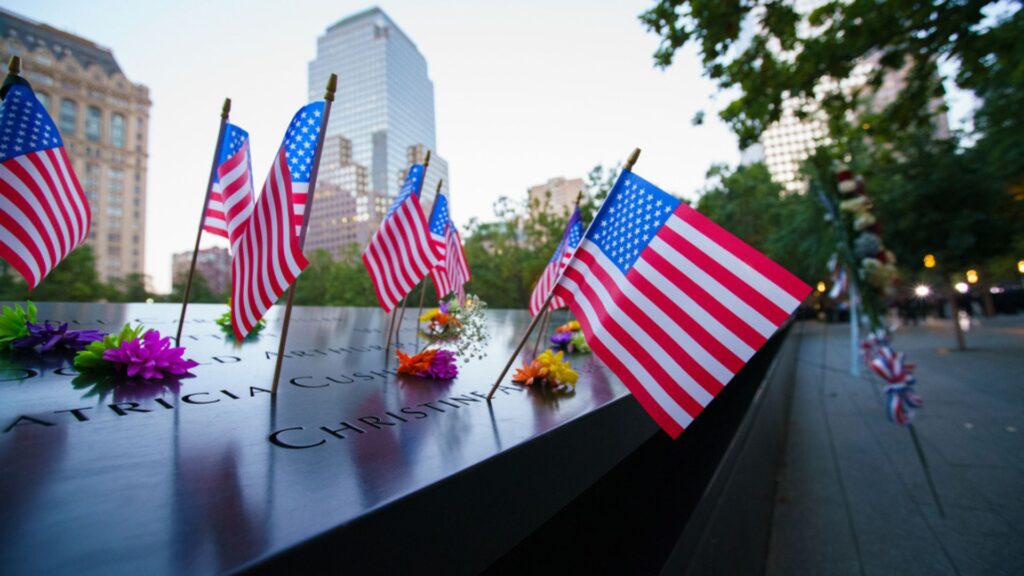
A quarter century is long enough for an event to pass from memory into history, and yet 9/11 refuses to make that transition cleanly. This week, as reported by outlets covering the anniversary ceremonies at Ground Zero, the Pentagon, and Shanksville, America once again read out nearly 3,000 names, rang bells at the moments the towers fell, and paused to remember a morning that changed the way the world thinks about security, sovereignty, and fear itself.
What happened on September 11, 2001 needs no retelling for most readers, but what happened after is where the real story lives. The attacks did not just kill nearly 3,000 people; they triggered two decades of American wars in Afghanistan and Iraq, a global architecture of counter-terrorism laws, airport security regimes that reshaped how billions of people travel, and a doctrine of pre-emption that redrew the boundaries of international law. The anniversary this year lands at a moment when America itself is deeply divided over what those wars actually achieved, with Afghanistan back under Taliban rule and Iraq still unstable, prompting renewed debate in Washington over whether the post-9/11 wars were worth their staggering cost in lives and treasure.
Why does this matter globally, twenty-five years later? Because the instruments built in response to 9/11 — mass surveillance, drone warfare, expansive executive powers, the normalisation of indefinite detention — did not stay confined to America. They became templates that other governments, including some with far less regard for civil liberties, borrowed selectively to justify their own crackdowns. The post-9/11 world also accelerated a shift in global power: America’s exhausting, expensive wars in the Middle East gave China two decades of relatively unimpeded space to build economic and military heft, a fact increasingly acknowledged by American strategists themselves.
India’s own relationship with this anniversary is layered. New Delhi had been warning Washington about cross-border terrorism emanating from Pakistan-based groups for years before 2001, often to a largely indifferent audience. September 11 finally forced a global reckoning with terrorism as a state-enabled enterprise, and India used that shift to internationalise its own concerns about Pakistan, culminating years later in global pressure and sanctions regimes that India had long sought. The irony, often noted in Indian strategic commentary, is that the very state apparatus the US built and funded in Afghanistan and Pakistan during the Cold War was among the ecosystems that produced 9/11’s perpetrators — a cycle India watched with grim familiarity, having borne terrorism’s cost long before the West called it a global war.
My take: anniversaries like this one are not really about the past; they’re a mirror for the present. America is still arguing about whether its response to 9/11 made the world safer or merely more paranoid and more polarised. The honest answer is probably both. What India should take from this is not vindication, but a reminder that global sympathy for terrorism’s victims is fickle and short-lived unless a nation builds its own enduring capability, alliances, and narrative — because the world moves on, even when the grief doesn’t.
RP analysis · Based on reporting: U.S. marks 25 years since the September 11 attacks