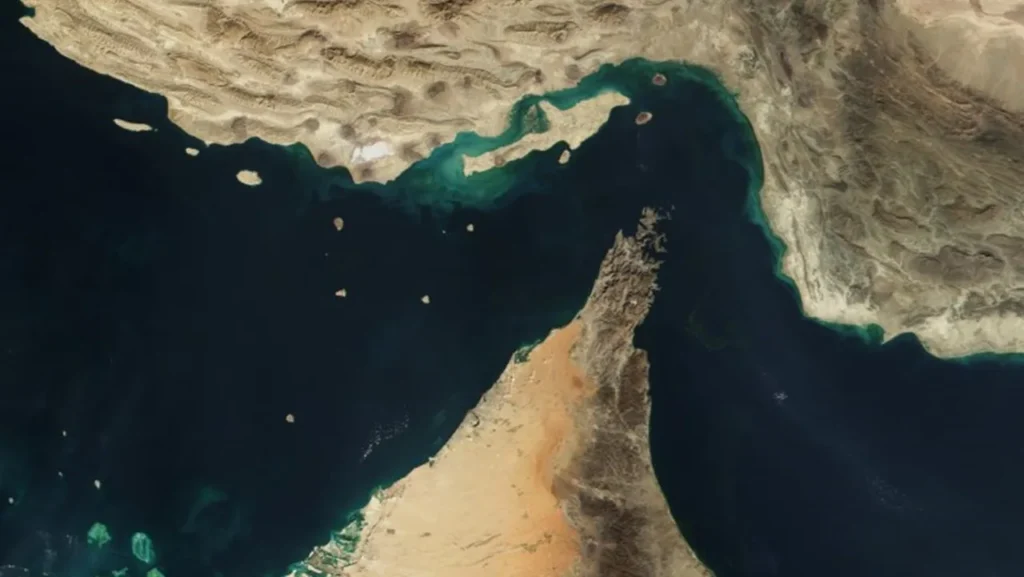
Every few years, someone in Tehran reminds the world that a fifth of global oil trade passes through a strait barely 33 kilometres wide at its narrowest point, and markets remember why they should never get too comfortable. This week it was Mohsen Rezaei, a senior Iranian security official with a long history in the Revolutionary Guards, who put it plainly: Iran will only commit to keeping the Strait of Hormuz open once the Americans stop what he called sabotage, threats and attacks on Iran. It’s not a declaration of war. It’s a warning, deliberately vague, deliberately unsettling, and entirely in character.
The context matters here. This comes after a fresh round of clashes involving Iranian and American interests in the Gulf, the kind of low-grade confrontation that never quite escalates into open conflict but never really goes away either. Rezaei’s remarks specifically flagged American energy assets in the region as vulnerable, a not-so-subtle nod to the fact that Iran doesn’t need to close Hormuz outright to cause damage. It just needs to make everyone nervous enough about the possibility.
Why does this matter beyond the region? Because Hormuz isn’t a regional chokepoint, it’s a global one. Roughly a fifth of the world’s oil and a substantial chunk of its LNG moves through those waters. Any credible threat to that flow ripples through energy markets from Rotterdam to Tokyo within hours. Insurance premiums for tankers spike, shipping companies reroute or pause, and oil prices react before anyone has fired a single shot. This is asymmetric leverage at its purest: Iran doesn’t have the conventional military weight to challenge the US Navy, but it doesn’t need to. It just needs the world to believe it might try.
For India, this isn’t an abstract Middle Eastern squabble. New Delhi imports the vast majority of its crude, and a meaningful share of that still transits Hormuz, alongside gas supplies critical to Indian industry and households. India has spent years diversifying its energy sources, courting Russia, the US, and West Africa, precisely to reduce this kind of vulnerability. But diversification only cushions the blow, it doesn’t eliminate it. A serious disruption in the Gulf still means costlier fuel, inflationary pressure, and diplomatic tightropes, since India maintains working relationships with Iran, the Gulf Arab states, and Washington simultaneously. That balancing act, frankly, is one of Indian diplomacy’s understated achievements, and it will be tested again if this rhetoric turns into action.
My take: Iran’s language is calibrated brinkmanship, not a genuine intention to shut Hormuz, which would hurt its own economy and China’s oil lifeline just as much as anyone else’s. But calibrated brinkmanship still moves markets and forces governments to plan for scenarios they’d rather not face. India should treat this as a reminder, not a crisis, that energy security isn’t just about diversifying suppliers, it’s about reducing exposure to a strait that one country’s security establishment can still hold hostage to its own grievances.
RP analysis · Based on reporting: Iran warns U.S. energy assets in Gulf are vulnerable after latest clashes